Modern Coastal vs. Japandi: Best Tiles for Australian Homes

Tiles and Bath

Creating a home that serves as a personal sanctuary is a primary goal for Australian homeowners. Two design movements currently lead the way in achieving this: Modern Coastal and Japandi. While both styles champion minimalism and light-filled spaces, the “perfect tile” for one may feel entirely out of place in the other.

When deciding between Modern Coastal vs. Japandi, the floor and wall tiles act as the canvas. Selecting the right material—be it tactile travertine, matte porcelain, or organic zellige—determines whether your space feels like a breezy Bondi retreat or a grounded, meditative Kyoto-inspired escape.

See more: 20 Subway Tile Layouts Designers Swear By in 2025: Patterns, Colors & Grout Ideas


Defining the Contenders: Aesthetic Core and Philosophy

To select the right tiles, we must first understand the fundamental “vibe” each style aims to project.

What is Modern Coastal?

Modern Coastal is the evolution of the classic beach house. It strips away the kitsch (no anchor motifs or seashells) and replaces it with sophisticated textures. In an Australian context, it reflects the indoor-outdoor lifestyle, focusing on light, airiness, and a palette inspired by the shoreline.

What is Japandi?

Japandi is the fusion of Japanese functionalism and Scandinavian rustic minimalism. It relies on the concept of Wabi-sabi—finding beauty in imperfection—and Hygge—comfort and coziness. It is more structured and “moodier” than Coastal, leaning into warm woods, deep stones, and handmade crafts.


The Role of Tiles in a Minimalist Sanctuary

In a minimalist home, every surface is scrutinized. Without “clutter” to hide behind, the quality, grout line, and finish of your tiles become the focal point.

  • Tactility: Minimalist tiles shouldn’t just look good; they should feel significant underfoot.
  • Light Reflection: Glossy tiles bounce the harsh Australian sun, while matte finishes absorb it for a calmer atmosphere.
  • Continuity: Using the same tile from the bathroom to the alfresco area creates the “sanctuary” feel by removing visual breaks.
Tiles and Bath

Modern Coastal vs. Japandi: Tile Comparison Table

FeatureModern Coastal TilesJapandi Tiles
Color PaletteSandy beiges, crisp whites, seafoamsOak tones, charcoal, warm greys, terracotta
TextureSandblasted, tumbled, weatheredHoned, brushed, artisanal/matte
Common MaterialsTravertine, Limestone, TerrazzoSlate, Basalt, Wood-look Porcelain
Grout StyleMatching (seamless)Subtle contrast or tonal
VibeUplifting, breezy, brightGrounded, quiet, intentional

Deep Dive: Selecting Tiles for a Modern Coastal Home

Modern Coastal tiles should mimic the elements of the Australian coast: the grit of the sand, the smooth surface of sun-bleached driftwood, and the shimmer of the Pacific.

1. The Power of Travertine and Limestone

Natural stone is the gold standard for Coastal homes. Tumbled travertine, with its natural pits and variations, provides a soft, “lived-in” luxury. It stays cool underfoot during a 40°C Australian summer, making it practical as well as beautiful.

2. Large-Format Terrazzo

Modern Coastal has moved away from small tiles toward large-format porcelain that mimics terrazzo. Look for tiles with white or light-grey bases and chips of quartz or marble. This adds “visual texture” without adding clutter.

3. Glossy Zellige for Splashbacks

To mimic the reflection of the ocean, use handmade Zellige tiles in kitchens or bathrooms. The uneven surfaces catch the light at different angles, providing a “watery” aesthetic that feels artisanal and high-end.


Deep Dive: Selecting Tiles for a Japandi Sanctuary

Japandi tiles are about “earthiness.” They are often darker and more matte than Coastal options, focusing on a sense of permanence and calm.

1. Wood-Look Porcelain Planks

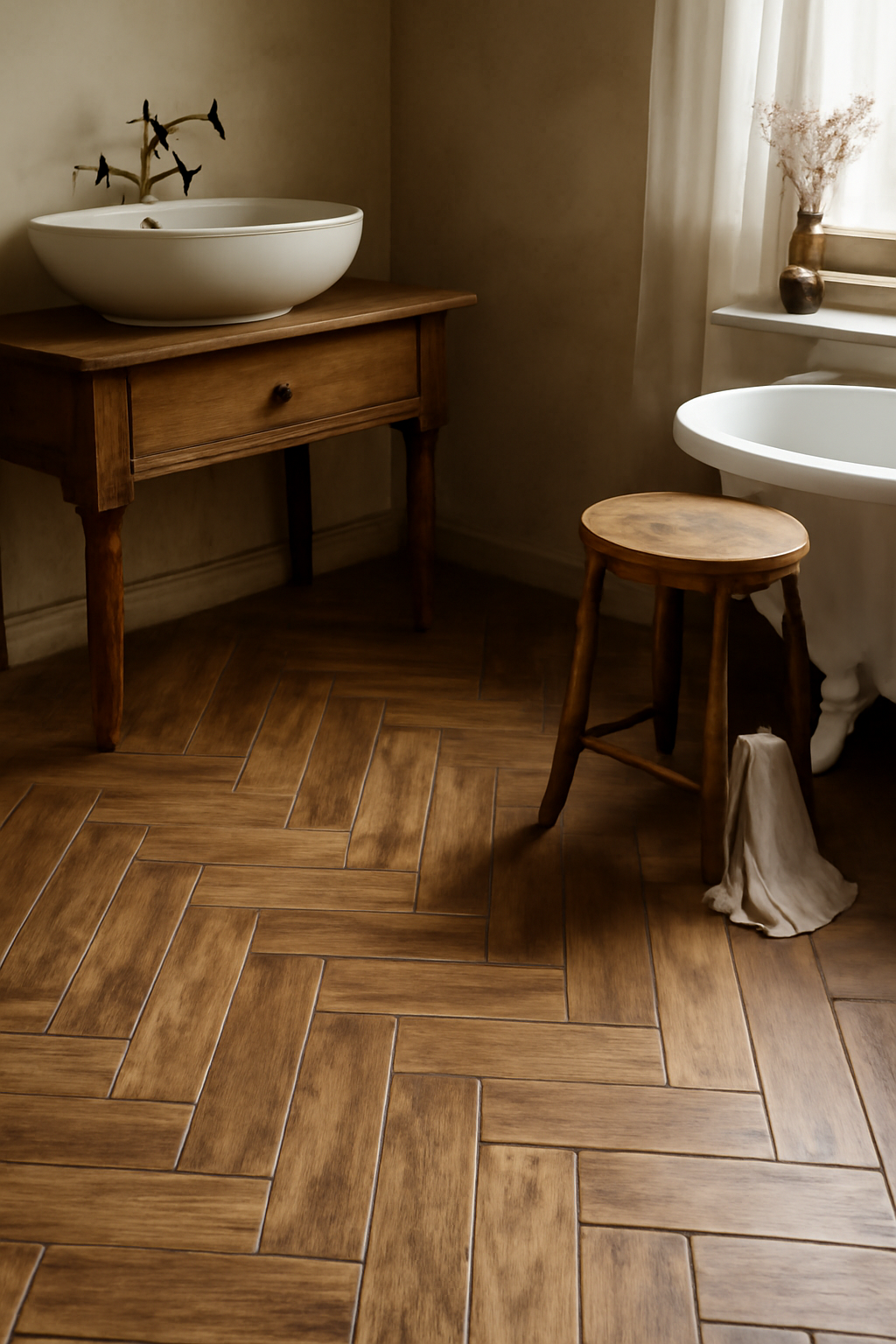
Since Japandi relies heavily on timber, wood-look porcelain tiles are a game-changer. They offer the warmth of Japanese cedar or Scandi oak but with the durability and water resistance required for Australian bathrooms and laundries.

2. Honed Basalt and Dark Grey Stone

Japandi often utilizes a darker “anchor” color. A dark grey, honed (matte) basalt tile creates a stunning contrast against light wood cabinetry. This “grounds” the room, making it feel like a secluded spa.

3. Linear and Finger Tiles (Kit Kats)

The Japanese influence in Japandi often manifests through verticality and repetition. Finger tiles or “Kit Kat” tiles in muted, matte tones (like eucalyptus green or clay) create a sense of rhythm and order.


The Step-by-Step Selection Framework

Follow this process to ensure your tile choice aligns with your chosen aesthetic:

  1. Define the Temperature: Coastal is “Cool to Neutral.” Japandi is “Neutral to Warm.”
  2. Assess the Light: Does your room get direct afternoon sun? Choose matte tiles to avoid blinding glare. Is it a dark room? Use light, satin-finish tiles.
  3. The “Hand-Feel” Test: Minimalist sanctuaries are often barefoot zones. Always order a sample and walk on it.
  4. Grout Selection: For a seamless look, match the grout perfectly to the tile. In Japandi styles, a slightly darker grout can highlight the geometry of the layout.
  5. Scale the Tile: In small Australian ensuites, larger tiles (600x600mm or larger) actually make the space feel bigger by reducing grout lines.

Common Mistakes to Avoid

  • Over-complicating Patterns: Minimalism fails when patterns are too busy. Avoid “loud” encaustic tiles in these styles.
  • Ignoring Slip Ratings: For Australian outdoor areas and wet rooms, ensure your tiles meet P4 or P5 slip ratings, regardless of how pretty they look.
  • Mismatched Undertones: Don’t pair a “cool” blue-grey tile with “warm” yellow-oak floorboards. Ensure the undertones are consistent.

Best Practices for Long-Term Value

  • Rectified Edges: Always ask for rectified tiles. These are mechanically cut to be perfectly square, allowing for ultra-thin grout lines (1.5mm), which is essential for the minimalist look.
  • Epoxy Grout: In bathrooms, use epoxy grout. It doesn’t discolor or harbor mold, keeping your “sanctuary” pristine for years without heavy scrubbing.
  • Natural Stone Sealing: If you choose real travertine or limestone, ensure it is professionally sealed to prevent staining from red wine or oils.

Internal Linking & Resource Suggestions

  • Internal Link Suggestion: Guide to choosing the right grout color for open-plan living.
  • Internal Link Suggestion: Top 5 bathroom layout ideas for Australian renovations.
  • External Reference: Check the Housing Industry Association (HIA) for Australian tiling standards and waterproofing regulations.
  • External Reference: Explore the Design Institute of Australia for more on the cultural intersection of Japanese and Scandinavian design.

FAQ: Modern Coastal vs. Japandi Tile Selection

What is the main difference between Modern Coastal and Japandi tiles?

Modern Coastal tiles focus on light, bright, and weathered textures (sands and whites), while Japandi tiles focus on earthy, matte, and warm tones (woods and charcoals) to create a sense of calm.

Are natural stone tiles better than porcelain for these styles?

Porcelain is generally easier to maintain and can perfectly mimic stone or wood. However, natural stone like travertine offers a unique, high-end feel that is highly valued in the Australian property market.

Can I mix Modern Coastal and Japandi?

Yes. This is often called “Coastal Japandi.” It uses the light palette of the coast with the structured, functional furniture and tile layouts of Japan.

What tile size is best for a minimalist look?

Large-format tiles (800x800mm or 600x1200mm) are best. Fewer grout lines mean fewer visual distractions, leading to a cleaner, more minimalist appearance.

Are “Kit Kat” tiles still in style for 2026?

Yes, especially in Japandi design. They provide a vertical texture that adds height to a room and reflects the structured nature of Japanese architecture.


Conclusion: Creating Your Perfect Minimalist Sanctuary

Choosing between Modern Coastal vs. Japandi ultimately comes down to how you want to feel in your home. If you want to feel energized, refreshed, and connected to the sea, the light stones and sandy palettes of Modern Coastal are your best bet. If you prefer to feel grounded, quiet, and cozy, the warm woods and matte stones of Japandi will serve you better.

Regardless of your choice, remember that the “sanctuary” feel comes from quality and consistency. Invest in high-quality tiles, keep your palette restrained, and let the materials speak for themselves.
Best Floor Tiles for High-Traffic Areas: Top 7 Picks

Floor Tiles

Best Floor Tiles for High-Traffic Areas: Top 7 Low-Maintenance Picks for Your Home

Choosing the right flooring for an Australian home involves more than just picking a pretty pattern. Between the red dust of the outback, the sandy feet from the coast, and the high-energy flow of modern open-plan living, your floors endure significant stress. Finding the best floor tiles for high-traffic areas is the secret to a home that looks pristine years after installation without requiring a grueling maintenance schedule.

In this guide, we break down the top 7 low-maintenance picks that balance durability with aesthetic appeal. Whether you are renovating a bustling kitchen in Sydney or a sun-drenched hallway in Perth, these selections are engineered to withstand the heavy footfall of kids, pets, and entertaining.

See more: Factory Outlet Furniture Sydney: Bargains Without Sacrificing Style


What Defines a High-Traffic Area?

In residential architecture, a high-traffic area is any zone where movement is frequent and concentrated. These spots are the “highways” of your home.

Common High-Traffic Zones

  • The Entryway and Mudroom: The first point of contact for grit, moisture, and heavy boots.
  • The Kitchen: The heart of the home, prone to spills, dropped utensils, and constant pivoting.
  • Main Hallways: Narrow channels that concentrate wear and tear into specific paths.
  • Living and Dining Rooms: Areas where furniture is frequently moved and social gatherings occur.

Why Tile Choice Matters

Standard tiles may look great initially, but in high-velocity zones, inferior materials can crack, stain, or lose their finish. Selecting the best floor tiles for high-traffic areas ensures that your investment resists abrasion and remains easy to clean, keeping your home’s resale value high.

Floor Tiles

The Science of Durability: Understanding PEI Ratings

Before we dive into our top picks, it is essential to understand how tiles are rated for wear. The Porcelain Enamel Institute (PEI) rating is the industry standard for measuring a tile’s resistance to abrasion.

PEI RatingRecommended UseSuitability for High-Traffic
PEI 1Residential walls or light-duty bathrooms.No
PEI 2Residential bathrooms and bedrooms.No
PEI 3All residential rooms, light commercial.Moderate
PEI 4High-traffic residential, medium commercial.Ideal
PEI 5Heavy commercial and industrial.Exceptional

For the best floor tiles for high-traffic areas, we recommend focusing on tiles with a PEI 4 or 5 rating to ensure longevity.


Top 7 Low-Maintenance Picks for Australian Homes

1. Full-Body Porcelain Tiles

Porcelain is the undisputed king of high-traffic flooring. Unlike ceramic, porcelain is fired at higher temperatures, making it denser and less porous. “Full-body” means the color and pattern run through the entire thickness of the tile.

  • Why it works: If a full-body porcelain tile chips, the damage is nearly invisible because the color is consistent throughout.
  • Maintenance: Sweep and occasional damp mop; it requires no sealing.

2. Glazed Vitrified Tiles (GVT)

GVT tiles offer a protective glaze layer over a vitrified body. This glaze allows for incredibly realistic digital prints, such as marble or wood grains, while the vitrified core handles heavy loads.

  • Why it works: The non-porous surface prevents liquid absorption, making it perfect for spilled wine or muddy paw prints.
  • Maintenance: Extremely stain-resistant; just use a pH-neutral cleaner.

3. Natural Slate (Honed or Riven)

For those seeking a rustic, Australian aesthetic, slate is a powerhouse. It is naturally slip-resistant and incredibly hard.

  • Why it works: Its multi-tonal nature hides dust and pet hair exceptionally well.
  • Maintenance: Needs to be sealed once every few years, but the daily upkeep is minimal.

4. Timber-Look Porcelain Planks

Want the warmth of hardwood without the scratching and water damage? Timber-look porcelain is the ultimate “cheat code” for high-traffic living rooms.

  • Why it works: You get the aesthetic of Oak or Spotted Gum with the scratch-resistance of stone.
  • Maintenance: No sanding or polishing required—ever.

5. Concrete-Look Large Format Tiles

Minimalism meets durability. Large format tiles (600x600mm or larger) reduce the number of grout lines—the most vulnerable part of any floor.

  • Why it works: Fewer grout lines mean less scrubbing and a more seamless, modern look.
  • Maintenance: Focus on cleaning the tiles; the minimal grout stays cleaner for longer.

6. Natural Quartzite

Often confused with marble, quartzite is significantly harder and more resistant to scratching and etching from acidic spills (like lemon juice or vinegar).

  • Why it works: It offers a high-end luxury look with industrial-strength durability.
  • Maintenance: Requires sealing but is remarkably resilient against physical impact.

7. Terrazzo (Real or Porcelain-Effect)

Terrazzo is making a massive comeback in Australian design. Its speckled appearance is more than just a style choice; it is functionally superior at hiding imperfections.

  • Why it works: The busy pattern naturally masks small scratches or dust buildup.
  • Maintenance: Porcelain-effect terrazzo offers the best of both worlds—zero sealing and high durability.

Key Benefits of Choosing High-Performance Tiles

Investing in the best floor tiles for high-traffic areas provides several long-term advantages:

  1. Cost Efficiency: While the initial cost may be higher than laminate or vinyl, tiles can last 20–50 years, reducing the “cost per year” significantly.
  2. Hypoallergenic Living: Unlike carpet, tiles do not trap dust mites, pollen, or dander—essential for the 1 in 5 Australians who suffer from hay fever.
  3. Thermal Mass: In the Australian climate, tiles help regulate indoor temperatures, keeping homes cooler in summer and retaining sun-warmth in winter.
  4. Water Resistance: Tiles are impervious to the humidity and spills that cause wood or laminate to warp.

Best Practices for Installation and Maintenance

Choosing the Right Grout

Even the best tile can be let down by poor grout choice. For high-traffic areas, always opt for epoxy grout. Unlike traditional cement-based grout, epoxy is waterproof and stain-proof, ensuring your “low-maintenance” floor actually stays that way.

The “Slip Resistance” Factor

In Australia, the “P” rating (Pendulum test) is vital. For entryways and wet areas, look for a P3 or P4 rating to ensure safety when the floor is wet.

Professional vs. DIY

While DIY is tempting, high-traffic tiles must be perfectly level (lippage-free) to prevent tripping and edge-chipping. Professional installation ensures a flat surface that can withstand years of furniture movement.


Common Mistakes to Avoid

  • Using Wall Tiles on Floors: Wall tiles are thinner and will crack under the weight of furniture or foot traffic.
  • Choosing High-Gloss in Entryways: While beautiful, high-gloss finishes show every footprint and can be slippery when wet.
  • Neglecting the Subfloor: If your subfloor isn’t stable, even the strongest porcelain will crack as the house settles.

Frequently Asked Questions (FAQ)

Which tile is best for a home with large dogs?

Porcelain tiles with a matte or textured finish are best. They are virtually scratch-proof and provide better traction for paws than polished marble or ceramic.

How do I clean grout in high-traffic areas?

If using epoxy grout, a simple wipe-down is enough. For traditional grout, use a mixture of baking soda and vinegar or a dedicated oxygen-based grout cleaner to lift deep-seated dirt.

Are darker tiles better for high-traffic zones?

Not necessarily. Very dark tiles (black/navy) often show dust and water spots more than mid-tone greys or beiges. “Greige” or speckled patterns are the most forgiving.

Do all floor tiles need to be sealed?

No. Most modern porcelain and glazed tiles do not require sealing. Only natural stones (slate, marble, limestone) and some unglazed terracotta need regular sealing.

Is porcelain better than ceramic for a kitchen?

Yes. Porcelain is denser and has a lower water absorption rate (less than 0.5%), making it far superior for the spills and heavy footfall of a kitchen.


Conclusion: Investing in Your Home’s Future

Selecting the best floor tiles for high-traffic areas is a strategic decision that blends lifestyle needs with long-term property value. By prioritizing PEI ratings, opting for low-porosity materials like porcelain, and choosing smart finishes like timber-looks or terrazzo, you create a home that is as functional as it is beautiful.

Don’t let the fear of maintenance dictate your design. With the right tile, you can enjoy an elegant interior that stands up to the rigors of Australian life.

Internal Linking Suggestions:

  • Learn more about [Slip Resistance Ratings for Australian Homes].
  • Check out our guide on [How to Choose the Right Grout Color].
  • Explore the [Benefits of Porcelain vs. Ceramic].

External Reference Suggestions:

  • Refer to the Australian Tile Council for technical standards.
  • Consult the CSIRO Handbook for Slip Resistance Classifications.

Air Conditioning Installation Baulkham Hills: What to Expect on Install Day

Air Conditioning Installation Baulkham Hills: What to Expect on Install Day

This guide explains what typically happens, what the homeowner should prepare, and what a good handover looks like.

What should they do before the installers arrive?

They should clear access to all designated work zones prior to air conditioning installation Baulkham Hills, particularly the rooms where indoor units will be mounted and the external area allocated for the condenser. It is also advisable to remove fragile items from nearby shelves and walls to mitigate the risk of accidental damage during the installation process.

They may also want to anticipate a limited level of operational noise and minor dust while the air conditioning installation Baulkham Hills team completes the setup. If pets are sensitive to unfamiliar activity, placing them in a separate room can support a smoother and more controlled installation workflow.

What time do they usually arrive, and how long does it take?

They often arrive in the morning within a booked window, then do a short site check before tools come inside. A standard split system install commonly takes a few hours, while multi-split or ducted jobs can take most of the day.

Time varies based on access, wall type, pipe run length, switchboard capacity, and whether drilling through brick is required.

What happens in the initial site check?

They will confirm the agreed unit locations and check the pipe and cable route from indoor to outdoor. They also verify clearances, airflow, and practical service access for future maintenance.

If anything differs from the quote, such as longer pipe runs or unexpected obstacles, they should explain changes before proceeding.

Air Conditioning Installation Baulkham Hills: What to Expect on Install Day

How do they protect the home during installation?

They generally lay drop sheets, set up tools in a contained area, and drill carefully to control dust. They should keep foot traffic minimal through finished areas where possible.

If wall penetration is needed, they should patch and seal neatly. Any external penetrations should be weatherproofed.

What should they expect for indoor unit installation?

They will mount a bracket, level it, and secure it to a solid structure. Then they connect the refrigerant lines, condensate drain, and electrical interconnect before hanging the indoor unit.

They should expect some drilling and brief periods of louder noise. The indoor location should allow good airflow and easy filter access.

What should they expect for outdoor unit installation?

They will place the condenser on a stable base, usually a wall bracket or slab, with vibration control where appropriate. They also confirm airflow clearance so the unit can reject heat properly.

They should expect the installer to consider neighbour noise, drainage, and access for servicing.

How do they run pipes, drains, and cabling?

They typically run insulated copper pipes, a power or interconnect cable, and a condensate drain line between units. Pipework may be concealed in wall cavities where feasible, or covered externally with trunking for a clean finish.

They should expect the drain to be routed to a suitable discharge point to reduce the risk of dripping and water marks.

Will they need an electrician, and what happens at the switchboard?

Many installs require electrical work, such as a dedicated circuit, isolation switch, or switchboard upgrades if capacity is limited. A licensed electrician may attend as part of the same team or as a scheduled step.

They should expect compliance checks, correct cable sizing, and safety isolation procedures before power is connected.

What noise, mess, or disruptions should they plan for?

They should plan for drilling noise, short periods of louder hammer drilling in brick, and some dust around penetration points. Power may be switched off briefly if electrical work is required.

Parking access for the install vehicle can help speed things up. If strata or tight driveways are involved, it helps to pre-arrange access.

How do they test the system once it is installed?

They should expect a vacuum test and commissioning process to confirm the refrigerant circuit is dry and sealed. Then they run heating and cooling modes, check temperature split, airflow, and ensure the drain flows correctly.

They also confirm the outdoor unit starts and stops normally and that no unusual vibration or rattles are present.

What questions should they ask during the handover?

They should ask for a quick run-through of the remote, modes, and recommended temperature settings for efficiency. They should also ask how to remove and clean filters, and how often basic maintenance should be done.

They should request warranty details, a compliance certificate where applicable, and guidance on what to do if an error code appears.

What should they check before the team leaves?

They should check the unit sits level, the trunking looks neat, and external penetrations are sealed. They should also confirm the drain is not dripping where it should not, and that the outdoor unit is secure.

They should ask the installer to confirm the model and serial details are recorded and that the area is cleaned up.

What issues could cause delays on the day?

Delays can happen if access is blocked, wall structure differs from expectations, or the outdoor location needs changes for clearance. Switchboard limitations and unexpected electrical requirements can also add time.

If the homeowner is available to approve minor placement adjustments quickly, it can prevent rework and keep the job on schedule.

What can they do after installation to keep it running well?

They should clean filters regularly and keep vents and return air paths unobstructed. They should also keep the outdoor unit clear of leaves and debris to maintain airflow.

If performance drops or unusual noise appears, they should arrange a service early, rather than running the unit harder and risking bigger repairs.

FAQs (Frequently Asked Questions)

What preparations should homeowners make before the air conditioning installers arrive in Baulkham Hills?

Homeowners should clear access to work zones, especially rooms receiving indoor units and the outdoor condenser location. They should remove fragile items near the install area and plan for some noise and minor dust. If pets are anxious, it’s helpful to keep them in a separate room.

How long does a typical air conditioning installation take, and what factors influence this?

Standard split system installations usually take a few hours, while multi-split or ducted systems can take most of the day. Time varies based on site access, wall type, pipe run length, switchboard capacity, and whether drilling through brick is required.

Air Conditioning Installation Baulkham Hills: What to Expect on Install Day

What steps do installers take to protect the home during air conditioning installation?

Installers lay drop sheets, contain tools in a designated area, and drill carefully to control dust. They minimize foot traffic through finished areas and patch and seal any wall penetrations neatly. External penetrations are weatherproofed to protect the home.

Will electrical work be required during installation, and how is it handled?

Many installations require electrical work such as dedicated circuits or switchboard upgrades if capacity is limited. A licensed electrician may attend as part of the team or separately. Compliance checks, correct cable sizing, and safety isolation procedures are performed before power connection.

What should homeowners expect during the system testing and handover process?

Installers perform vacuum tests and commissioning to confirm the refrigerant circuit is sealed. They run heating and cooling modes, check temperature splits, airflow, drain flow, and ensure the outdoor unit operates normally without unusual vibrations. During handover, they explain remote controls, maintenance tips, warranty details, compliance certificates, and error code guidance.

How can homeowners maintain their air conditioning system after installation for optimal performance?

Homeowners should clean filters regularly, keep vents and return air paths unobstructed, and ensure the outdoor unit is clear of leaves and debris to maintain airflow. If performance drops or unusual noises occur, scheduling a service promptly helps prevent bigger repairs.

More about Commercial Air Conditioning Hornsby: 4 Ways to Improve Energy Efficiency

Commercial Air Conditioning Hornsby: 4 Ways to Improve Energy Efficiency

Commercial Air Conditioning Hornsby: 4 Ways to Improve Energy Efficiency

The good news is they can usually cut consumption without sacrificing comfort. Below are four practical, high-impact ways businesses can improve commercial air conditioning energy efficiency in Hornsby.

What changes the energy bill fastest in a commercial air conditioning setup?

Controls and setpoints usually make the quickest difference because they influence runtime every day. When scheduling, zoning, and temperature targets are tuned to real building use, the system runs less often and with fewer extreme peaks.

They should start by checking whether the unit is conditioning empty areas, running after hours, or fighting against heat loads that could be reduced with better airflow and maintenance.

How can smarter controls and scheduling reduce wasted cooling hours?

They can unlock measurable efficiency gains by aligning HVAC operating schedules with actual occupancy patterns rather than default or assumed business hours—an optimisation frequently implemented in commercial air conditioning Hornsby environments. Even a single additional hour of operation each weekday compounds significantly over the course of a year, particularly for multi-split or ducted systems servicing larger commercial floor areas.

Key improvements include:

  • Setting start/stop times based on when staff actually arrive and leave
  • Using “optimum start” to pre-cool only when needed
  • Locking setpoint ranges so temperatures do not drift too low
  • Adding CO₂ or occupancy sensors in meeting rooms and shared zones

If they manage multiple tenancies or zones, a building management system (BMS) or advanced controller can prevent simultaneous heating and cooling, which is a common hidden energy drain.

Commercial Air Conditioning Hornsby: 4 Ways to Improve Energy Efficiency

Why do regular servicing and airflow checks improve efficiency so much?

Clean filters, correct refrigerant charge, and balanced airflow reduce the workload on compressors and fans. When airflow is restricted or coils are dirty, systems run longer to achieve the same result, which increases power draw and wear.

They can improve efficiency by ensuring technicians:

  • Clean indoor filters and inspect return-air paths
  • Clean condenser coils and check outdoor unit clearance
  • Verify refrigerant charge and look for leaks
  • Check fan speeds, belts (if applicable), and motor performance
  • Confirm drains, sensors, and thermostat calibration are working correctly

Routine servicing also helps them spot early issues such as short cycling, failing capacitors, or incorrect control settings, which can spike consumption long before a breakdown happens.

How does zoning and temperature setpoints prevent overcooling and hot spots?

Zoning and setpoint discipline reduce “comfort complaints” that lead to energy-wasting fixes, like lowering the whole building temperature to satisfy one warm room. When zones reflect real usage, the system can condition only what is needed, at the right time.

Practical steps include:

  • Separating high-load areas such as server closets, kitchens, or sunlit rooms
  • Using individual zone controls where the layout allows it
  • Keeping cooling setpoints realistic, often around 23–24°C for offices
  • Avoiding frequent manual overrides that disrupt schedules

They should also check for causes of hot spots that are not HVAC capacity issues, such as blocked vents, poor diffuser placement, or after-hours equipment loads.

When does upgrading equipment or adding efficiency add-ons make sense?

Upgrades make sense when existing systems are near end of life, frequently repaired, or clearly mismatched to the building’s needs. High-efficiency inverter systems, modern packaged units, and variable speed fans can reduce energy use because they ramp output instead of cycling hard on and off.

They can also consider targeted add-ons before a full replacement, such as:

  • Adding VSDs (variable speed drives) to suitable fan motors
  • Installing smarter zone controllers or integrating with a BMS
  • Improving insulation and sealing to reduce heat gain
  • Using shading or film on high-solar-glare windows

If they are planning a replacement, they should ensure the new system is properly sized and commissioned. Oversizing is common and can reduce efficiency because it short cycles, struggles with humidity control, and wears components faster.

What should they do next to improve commercial air conditioning efficiency in Hornsby?

They should start with a simple energy-efficiency review: confirm scheduling, service the system, validate airflow, and tighten zoning and setpoints. Those steps are usually the lowest-cost path to immediate savings.

If results plateau, they can then assess whether a controller upgrade or equipment replacement offers a better long-term return, especially for sites with long operating hours or rising maintenance costs.

FAQs (Frequently Asked Questions)

What factors most quickly impact the energy bill in commercial air conditioning systems in Hornsby?

Controls and setpoints have the fastest impact on energy bills because they directly influence daily runtime. Proper scheduling, zoning, and temperature targets aligned with actual building use reduce unnecessary operation and extreme peaks, cutting energy consumption effectively.

How can smarter controls and scheduling reduce wasted cooling hours in commercial buildings?

Smarter controls match HVAC operation to real occupancy rather than assumed business hours, preventing unnecessary runtime. Key strategies include setting accurate start/stop times, using optimum start for pre-cooling only when needed, locking temperature setpoint ranges to avoid overcooling, and installing CO₂ or occupancy sensors in shared spaces. Advanced controllers or building management systems can also prevent inefficient simultaneous heating and cooling across zones.

Why is regular servicing and airflow checks essential for improving commercial AC efficiency?

Regular servicing ensures clean filters, correct refrigerant charge, and balanced airflow, which reduce compressor and fan workload. Dirty coils or restricted airflow cause longer runtimes and higher power consumption. Routine maintenance also detects early issues like short cycling or failing components that increase energy use before causing breakdowns.

Commercial Air Conditioning Hornsby: 4 Ways to Improve Energy Efficiency

How do zoning and temperature setpoints help prevent overcooling and hot spots in commercial air conditioning?

Effective zoning allows conditioning only occupied or high-load areas at appropriate times, reducing unnecessary cooling. Maintaining realistic temperature setpoints (around 23–24°C for offices) prevents comfort complaints that lead to energy-wasting adjustments. Addressing causes of hot spots such as blocked vents or after-hours equipment loads further optimizes system performance.

When is it advisable to upgrade commercial air conditioning equipment or add efficiency enhancements in Hornsby?

Upgrades are beneficial when existing systems are aging, frequently repaired, or poorly matched to building needs. Installing high-efficiency inverter units, variable speed fans, or targeted add-ons like variable speed drives and smarter controllers can significantly lower energy use. Proper sizing and commissioning during replacement prevent issues like short cycling that reduce efficiency.

What are the first steps businesses should take to improve commercial air conditioning energy efficiency in Hornsby?

Start with a simple energy-efficiency review focusing on verifying HVAC scheduling aligns with occupancy, servicing the system thoroughly, validating airflow balance, and tightening zoning controls and temperature setpoints. These low-cost actions typically yield immediate savings before considering controller upgrades or equipment replacement for long-term benefits.

More about Air Conditioning Installation Baulkham Hills: What to Expect on Install Day

20 Subway Tile Layouts Designers Swear By in 2025: Patterns, Colors & Grout Ideas

Subway Tile

Subway tiles have evolved from a classic, everyday choice into one of the most versatile and stylish materials in modern home design. In 2025, designers are pushing boundaries with innovative subway tile layouts, bold grout ideas, exciting color palettes, and creative pattern combinations that instantly elevate kitchens, bathrooms, and small spaces. Whether you’re renovating a compact bathroom or upgrading a contemporary kitchen, subway tile layouts give you limitless options to create a fresh, high-impact look.

This guide reveals 20 designer-approved subway tile layouts, detailed styling ideas, popular color trends, grout inspiration, and pattern techniques that homeowners and remodelers are loving this year. If you’re ready to transform your home using timeless materials in trending ways, this article is your complete design roadmap.

See more: Why Herringbone Tiles Are the Perfect Choice for Bathroom Renovations


1. Classic Horizontal Running Bond Layout

The timeless layout most people think of when they hear “subway tile.” Tiles are staggered halfway across each row, creating a clean and familiar look perfect for any space.

Why designers love it:

  • Works in every kitchen or bathroom
  • Easy to install and affordable
  • Enhances symmetry and balance

Best For:
Kitchen backsplashes & shower walls.


2. Vertical Stacked Subway Tile

Instead of horizontal placement, tiles are stacked vertically for a sleek and modern effect.

Why it works in 2025:
Vertical lines add height to small bathrooms and narrow kitchens, making ceilings appear taller.


3. Horizontal Stacked Layout

Straight horizontal stacking creates a minimalist, contemporary look — especially stunning with glossy tiles.

Designer tip:
Use contrasting grout to turn simple lines into a bold architectural feature.


4. Herringbone Subway Tile Pattern

A popular designer favorite because it blends classic tile shapes with high-end geometry.

Benefits:

  • Adds movement and dimension
  • Perfect for creating a “feature wall”

Choose matte white tiles for subtle elegance or colored tiles for a modern edge.


5. Double Herringbone Pattern

A more dramatic version of the standard herringbone, this uses pairs of tiles to create larger V-shapes.

Great for:
Large shower walls & statement kitchen backsplashes.


6. Chevron Layout

Often confused with herringbone, but chevron tiles are cut at an angle to form a seamless zigzag.

Trending in 2025:
Metallic grout paired with matte chevron tiles for ultra-modern luxury.


7. Vertical Herringbone

Creates a tall, arrow-like pattern that expands vertical visual space.

Design benefit:
Perfect for narrow powder rooms and small bathrooms.


8. Basketweave Subway Tile Pattern

This pattern makes tiles appear interwoven, giving a rich, textured aesthetic.

Works best with:
Small-format subway tiles for stronger visual depth.


9. Offset One-Third Layout

A modern twist on the classic running bond, with each tile staggered by one-third instead of half.

Result:
More dynamic, visually interesting lines that feel contemporary.


10. Crosshatch Pattern

Tiles alternate vertically and horizontally, forming a woven grid.

Great for:
Laundry rooms and farmhouse-style kitchens.


11. Diagonal Subway Tile Layout

Standard tiles installed at a 45-degree angle.

Why designers use it:
Diagonal lines make rooms feel wider and more open.


12. Brick Bond With Border

A classic layout with an added border that frames the wall beautifully.

Top 2025 trend:
Borders in contrasting colors (e.g., black border + white center tiles).


13. L-Shaped Corner Pattern

Creates clean transitions around outside corners, especially in showers.

Designer insight:
Helps maintain flow without breaking the visual rhythm.

Subway Tile

14. Mixed Orientation Layout

Combining vertical and horizontal tiles in one installation.

Why it’s powerful:
Adds high-end architectural detail instantly.


15. Gradient Subway Tile Color Layout

Tiles shift from dark to light to create an ombré effect.

Popular color gradients for 2025:

  • Navy → Sky Blue
  • Forest Green → Mint
  • Charcoal → White

16. Two-Tone Subway Tile Layout

Using two colors arranged in a pattern creates a bold, intentional look.

Best usages:
Kitchen feature walls or half-height bathroom walls.


17. Micro Subway Tiles

Tiny rectangular tiles arranged in classic or modern patterns.

Why they’re trending:
They create a mosaic-like texture perfect for luxury spaces.


18. Long Subway Tiles (Oversized Format)

Tiles measuring 4×16 or 3×12 inches give a sleek, elongated appearance.

Benefits:
Makes kitchen backsplashes look more expansive.


19. Dark Grout with White Subway Tiles

This strong contrast highlights tile patterns dramatically.

2025 grout trend:
Charcoal, mocha, and soft graphite tones.


20. White Grout With Colored Subway Tiles

Keeps bold tile colors feeling clean, fresh, and balanced.

Top tile colors this year:
Olive green, midnight blue, terracotta, and matte black.


Best Subway Tile Colors Trending in 2025

1. Deep Greens

Represents biophilic design and nature-inspired spaces.

2. Warm Earth Tones

Especially terracotta and clay hues.

3. Muted Blues

Soft blues paired with white grout create timeless charm.

4. Matte Black

High contrast for modern kitchens and dramatic bathrooms.

5. Creams & Textured Whites

Adds character while maintaining a minimalist feel.


Grout Ideas Designers Are Loving in 2025

✔ Contrast Grout

White tiles + dark grout → bold and modern.

✔ Tonal Grout

Matching grout keeps the look soft and seamless.

✔ Metallic Grout

Gold, bronze & silver grout adds luxury and shimmer.

✔ Warm Neutrals

Beige, taupe & greige for earthy, calm vibes.


Where to Use These Subway Tile Layouts

In Kitchens

  • Backsplashes
  • Feature walls
  • Behind stove areas
  • Around windows

In Bathrooms

  • Shower walls
  • Accent walls
  • Sink backsplashes
  • Niches & inset shelves

FAQs

FAQ 1: What subway tile layout is best for small kitchens?

The best subway tile layout for small kitchens is the vertical stacked or vertical herringbone pattern because both layouts draw the eye upward and make the space feel taller. Using glossy tiles and light-colored grout enhances brightness, which adds even more visual depth and openness to compact kitchens.

FAQ 2: Which grout color works best with subway tile layouts?

The right grout depends on your desired style. Dark grout creates bold contrast, perfect for modern spaces, while light, tonal grout delivers a soft and seamless look. For 2025, warm neutrals like beige, greige, and cream are trending because they balance both contemporary and traditional tile patterns beautifully.

FAQ 3: Are subway tiles still in style in 2025?

Absolutely yes. Subway tiles continue to dominate kitchen and bathroom design because they are affordable, versatile, and available in endless patterns, textures, and colors. Designers in 2025 are experimenting more with layout creativity, oversized formats, textured finishes, and unique color combinations that make subway tiles feel modern and luxurious.

FAQ 4: What tile patterns work best for bathrooms?

Bathrooms benefit from layouts that create height and movement, such as vertical herringbone, classic running bond, or stacked vertical patterns. These designs make compact bathrooms feel larger while maintaining a clean aesthetic. For added texture, consider matte finishes or handmade tiles that catch natural light beautifully.

FAQ 5: How do I choose the right subway tile color?

Start with your home’s overall theme. For modern spaces, go with matte black, navy, or textured whites. For warm interiors, terracotta and green tiles add richness. Always consider lighting—natural and artificial—as it affects how colors appear. Test tile samples in your space before finalizing the design.

FAQ 6: Can subway tiles be used with mixed patterns?

Yes, designers are increasingly mixing patterns like vertical stacking with herringbone or integrating borders with brick bond layouts. Mixed patterns create depth and a custom aesthetic. Just ensure color consistency so the design feels intentional rather than overwhelming.

Why Herringbone Tiles Are the Perfect Choice for Bathroom Renovations

Herringbone Tiles

Introduction

Bathroom renovations are one of the most rewarding home improvement projects, and choosing the right tiles is at the heart of creating a stylish and functional space. Among countless options, herringbone tiles stand out as a timeless yet contemporary choice. Their unique zig-zag pattern has been celebrated for centuries, and today, it’s making a strong comeback in modern home design.

From herringbone bathroom tiles that bring sophistication to small spaces to herringbone tile flooring that creates movement and depth, this pattern offers endless possibilities. Let’s dive into the history, design benefits, and practical tips for incorporating herringbone tiles into your next bathroom renovation.


The History of Herringbone Tiles

The herringbone pattern traces back to the Roman Empire, where it was first used in road construction for durability and strength. Over time, it found its way into textiles, wood flooring, and eventually tiling. Its geometric precision and visual flow gave interiors a sense of luxury and refinement. Today, herringbone tile patterns are equally at home in traditional and contemporary designs, proving their timeless appeal.


Why Herringbone Tiles Are Timeless

The enduring popularity of herringbone tiles lies in their versatility and elegance. Unlike trendy designs that fade quickly, herringbone has stood the test of time. Its ability to complement both classic bathrooms and modern spa-like retreats makes it a safe investment for homeowners.

  • Visual depth: The angled lines create the illusion of more space.
  • Versatility: Works with ceramics, porcelain, marble, or natural stone.
  • Style compatibility: Suits everything from vintage to minimalist aesthetics.

Design Ideas for Bathrooms with Herringbone Tiles

1. Herringbone Feature Walls

A herringbone feature wall behind a vanity or bathtub instantly becomes the focal point of the bathroom. Choose glossy white or marble-effect tiles for a luxurious spa-like atmosphere.

2. Statement Showers

Transform your shower area with herringbone bathroom tiles. Using contrasting grout highlights the zig-zag pattern, adding a bold and modern edge to your space.

Herringbone Tiles

3. Elegant Flooring

Herringbone tile flooring works beautifully in bathrooms, especially with materials like porcelain or natural stone. The pattern not only enhances durability but also gives the illusion of expanded space in compact rooms.

4. Half-Wall Designs

Combine herringbone tiling on the lower half of walls with painted upper sections for a modern yet balanced design. This is a budget-friendly way to introduce elegance without tiling the entire room.

5. Subtle Accents

If you prefer understated elegance, add herringbone as an accent strip in your shower niche, backsplash, or around mirrors. Small details can make a big difference.


Herringbone Beyond Bathrooms

While herringbone tiles are stunning in bathrooms, their versatility extends across the home:

  • Kitchens: Perfect for backsplashes and statement walls.
  • Hallways: Create dramatic entryways with herringbone tile flooring.
  • Living Areas: Use marble or ceramic herringbone tiles around fireplaces for a chic focal point.

Installation Tips for Herringbone Tiles

Installing herringbone tile patterns requires precision. Here are a few tips:

  1. Start from the center: Work outward to maintain balance.
  2. Use spacers: They help achieve consistent alignment.
  3. Plan for cuts: Since herringbone involves angled placement, expect more tile cuts.
  4. Hire professionals: For large spaces, a professional installer ensures a seamless finish.

Maintenance and Care

Maintaining herringbone tiles is simple with the right approach:

  • Clean regularly using mild soap and warm water.
  • Avoid abrasive cleaners that can damage finishes.
  • Seal natural stone herringbone tiles to prevent stains.
  • Wipe away water spots to maintain shine in glossy finishes.

Conclusion

Herringbone bathroom tiles are more than just a trend—they’re a timeless design choice that combines functionality with beauty. Whether used on floors, walls, or as subtle accents, they bring sophistication and texture to any bathroom. For homeowners looking to achieve a luxurious and modern look that will stand the test of time, herringbone is truly the perfect choice.

FAQs

Why are herringbone tiles a popular choice for bathrooms?

Herringbone tiles are popular because they add depth, elegance, and timeless charm. The angled pattern works beautifully in both large and small bathrooms, enhancing the sense of space while providing a sophisticated, modern aesthetic.

Can herringbone tile flooring work in wet bathroom areas?

Yes, herringbone tile flooring is ideal for bathrooms. Porcelain and ceramic options are water-resistant and durable, while natural stone can be sealed for protection. The pattern also improves grip, making it a practical yet stylish flooring choice.

Are herringbone bathroom tiles difficult to clean?

Not at all. Regular cleaning with mild soap and water keeps them looking fresh. For glossy finishes, wipe away water spots to maintain shine. Natural stone should be sealed for easier maintenance and to prevent staining.

What finishes work best for herringbone bathroom tiles?

Popular finishes include glossy ceramic for a sleek look, matte porcelain for a modern vibe, and marble for luxury. The right choice depends on your budget and desired aesthetic.

Do herringbone tiles suit small bathrooms?

Yes, herringbone tiles are excellent for small bathrooms. Their angled design creates the illusion of movement and space, making compact areas feel more open and stylish.

Buyers Agent Sydney: How They Help You Secure the Best Deal

buyers agent Sydney

Sydney’s property market is a fierce battleground for prospective buyers. With skyrocketing property prices, tight competition, and ever-changing market conditions, trying to secure your dream home or investment property can often feel like navigating a maze. Whether you’re a first-time buyer or a seasoned investor, the challenges of Sydney’s property market are undeniable. In such a dynamic environment, expert guidance can make all the difference in securing the best deal. This is where a buyer’s agent comes in—a professional who works on your behalf to ensure you make well-informed, strategic decisions. Let’s explore how hiring a buyer’s agent in Sydney can help you not just survive, but thrive, in this competitive market.

Why Sydney’s Property Market Can Be Overwhelming

Sydney’s real estate market is one of the most competitive and expensive in the world. With a rapidly growing population, limited property supply, and ever-increasing demand, finding the perfect property within your budget can quickly turn into a stressful and time-consuming process. Prices in desirable suburbs can skyrocket, while the risk of overpaying or getting caught in bidding wars can leave buyers feeling discouraged.

Add to this the complexity of auctions, fluctuating interest rates, and an often unpredictable market, and it’s no wonder many prospective buyers feel overwhelmed. Whether you’re searching for your first home, a family property, or an investment, the challenges are numerous. But there is a solution: hiring a buyer’s agent in Sydney.

The Role of a Buyer’s Agent

A buyer’s agent is a licensed professional who works exclusively for you, the buyer. Unlike a real estate agent who represents the seller, a buyer’s agent has your best interests at heart. Their job is to help you find the right property, negotiate the best possible price, and ensure the entire process runs smoothly—from start to finish.

A buyer’s agent brings expertise, market knowledge, and negotiation skills that you might not have. They have a deep understanding of Sydney’s local property market, including trends, values, and the intricacies of different suburbs. They can access off-market properties, negotiate better prices, and handle the paperwork, ensuring that your experience is as stress-free and rewarding as possible.

See more: How to Find the Best Furniture Outlet Sydney Has to Offer

Key Differences Between a Buyer’s Agent and a Real Estate Agent

While both real estate agents and buyer’s agents work in the property market, their roles are quite different. A real estate agent represents the seller and aims to secure the highest possible sale price for the property. In contrast, a buyer’s agent works exclusively for you, the buyer, and their focus is to find the best property at the best price.

Buyer’s agents have an intimate knowledge of local market conditions and can provide you with a much clearer understanding of property values. They are not driven by the seller’s interests and can offer unbiased advice, ensuring that the property you purchase is a sound investment.

How a Buyer’s Agent Helps You Secure the Best Deal

1. Market Knowledge and Property Search

One of the main advantages of hiring a buyer’s agent is their knowledge of the local market. They have a deep understanding of the different suburbs, pricing trends, and property values, allowing them to help you make informed decisions. Instead of spending countless hours sifting through listings, a buyer’s agent will narrow down your search to properties that meet your criteria and are likely to appreciate in value.

Additionally, buyer’s agents often have access to off-market listings—properties that aren’t publicly advertised. These exclusive opportunities can give you an edge in a competitive market, helping you avoid bidding wars and secure a great property before it hits the general market.

buyers agent Sydney

2. Negotiation Expertise

One of the most significant advantages of working with a buyer’s agent is their negotiation skills. In Sydney’s fast-paced property market, securing a property at the right price can be a challenge. A buyer’s agent knows how to negotiate effectively with real estate agents and sellers, ensuring that you don’t pay more than the property is worth.

Let’s consider a hypothetical example: You’ve found a property you love, but it’s listed at a price that seems a bit high. Your buyer’s agent will conduct a thorough market analysis, compare the property to similar homes in the area, and advise you on an appropriate offer. They’ll then handle the negotiation, ensuring you don’t overpay, and can even help you secure a price reduction or better contract terms.

3. Time Savings and Stress Reduction

Finding the right property takes time, especially in a market as competitive as Sydney’s. Without the help of an expert, you may waste days, weeks, or even months attending open homes, making offers, and dealing with rejected bids. A buyer’s agent streamlines the process by doing the legwork for you, saving you time and energy.

From booking property inspections to reviewing contracts, your buyer’s agent handles the details while you focus on the bigger picture. They can also help manage the emotional aspect of buying property, especially when it comes to dealing with auction pressure or competing with multiple offers.

4. Guidance Through the Legal and Paperwork Process

Buying property involves a lot of paperwork—from contracts and building inspections to finance approval and settlement details. Navigating these processes can be overwhelming, particularly if you’re not familiar with the legal requirements. A buyer’s agent is there to guide you through the entire process, ensuring that all legalities are in order and you avoid any potential pitfalls.

They’ll also liaise with solicitors, mortgage brokers, and other professionals involved in the transaction, ensuring everything is handled efficiently. This reduces the likelihood of errors or delays, giving you peace of mind during what can be a complex and stressful process.

Real-Life Scenario: The Value of a Buyer’s Agent

Imagine you’re a first-time buyer looking for a property in Sydney’s Inner West. You’ve seen a few listings, but nothing stands out, and the properties you’re interested in quickly go under offer. Feeling frustrated, you decide to hire a buyer’s agent.

Your agent has in-depth knowledge of the local market and knows that properties in the area are often overpriced. After getting to know your needs, they present you with an off-market property in a desirable location. It’s not listed publicly yet, but the agent has insider access through their network. After further negotiations, your buyer’s agent secures the property at a reasonable price—well below your budget—allowing you to make a smart investment while avoiding the stress and competition of public listings.

Conclusion: A Smart, Strategic Move in Sydney’s Property Market

Sydney’s property market is competitive, and making an informed decision is crucial to securing a great deal. A buyer’s agent offers unparalleled expertise, market knowledge, and negotiation skills to help you navigate this complex environment. They save you time, reduce stress, and ensure you make a well-informed decision.

Whether you’re a first-time homebuyer or an experienced investor, hiring a buyer’s agent could be one of the smartest property moves you make. They work exclusively for you, guiding you through the entire process, from finding the right property to securing the best deal. In such a competitive market, their expertise is invaluable, and with their help, you can make the Sydney property market work for you.

Herringbone Tiles in Commercial Spaces: Elevating Office and Retail Design

Tiles and Bath

In recent years, interior design trends have seen a resurgence of timeless patterns and materials. One such classic design element that’s making a big impact in commercial spaces is the herringbone tile pattern. Known for its distinctive V-shaped, zigzag design, herringbone has transcended traditional residential spaces and is now being embraced in office and retail environments. Whether it’s creating a stunning entryway, adding sophistication to a waiting room, or giving a retail space an upscale vibe, herringbone tiles are an excellent choice for modern commercial interiors. This article delves into the reasons behind the growing popularity of herringbone tiles in commercial spaces, explores their benefits, and offers design tips on how to incorporate them into office and retail settings.

Introduction: The Allure of Herringbone Tiles

Herringbone tiles are back in the spotlight in a big way. Known for their geometric beauty, herringbone patterns are synonymous with high-end design, adding texture, depth, and a sense of movement to any space. Traditionally seen in residential spaces like kitchens, bathrooms, and living rooms, the pattern is now a go-to choice for commercial interiors. Offices, retail stores, and even hospitality venues are increasingly incorporating herringbone tiles into their design schemes.

The beauty of herringbone tiles lies in their ability to enhance the overall ambiance of a room, providing a sophisticated yet approachable feel. They can act as a focal point or work harmoniously with other design elements, making them a versatile option for various commercial settings. Whether used on floors, walls, or even as a feature behind reception desks, herringbone tiles bring a unique sense of luxury and modernity to commercial spaces.

A Brief History of Herringbone

The herringbone pattern has a fascinating history that dates back thousands of years. It was first used by the ancient Romans to construct durable roads, where the pattern’s V-shaped design was crucial for providing strength and stability. The symmetry of the herringbone pattern distributed weight evenly, allowing the roads to withstand the test of time and heavy traffic.

Fast forward to the 16th century, and herringbone was adopted by European craftsmen for parquet flooring. Its distinctive design became a symbol of craftsmanship and opulence, particularly in aristocratic and royal homes. Over time, the pattern spread throughout European design, becoming a hallmark of luxury and high-end interiors. In the 20th century, herringbone became synonymous with Art Deco and mid-century modern design, cementing its place as a design classic.

Today, herringbone tiles are not just for floors—they are used across a variety of surfaces, from walls to backsplashes to outdoor patios. Their ability to adapt to different materials and settings has made them a favorite choice for both residential and commercial applications.

See more: Factory Outlet Furniture Sydney: Bargains Without Sacrificing Style

Why Herringbone is Back in Style

Herringbone tiles are experiencing a modern resurgence for several compelling reasons. These include their aesthetic appeal, versatility, and ability to elevate a space without overwhelming it. Here’s why herringbone is back in style—especially in commercial spaces:

1. Versatility Across Design Styles

One of the main reasons herringbone tiles are so popular in commercial design is their versatility. They can be integrated seamlessly into a variety of styles, from sleek and minimalist to traditional or rustic. The clean lines and geometric design of herringbone tiles make them adaptable, working well in modern office environments as well as more classical retail settings. Whether used in high-end boutiques, corporate lobbies, or casual coffee shops, the pattern can be tailored to fit the space’s character.

2. Aesthetic Appeal

The dynamic V-shape of herringbone tiles is visually striking. The movement of the design creates a sense of flow, which is particularly beneficial in large or open spaces. The way light interacts with the pattern gives the surface depth, bringing attention to specific areas, such as an entryway or the focal point behind a reception desk. This visual interest is a major draw for commercial interiors, where the goal is often to leave a lasting impression on clients, visitors, and customers.

3. Enhanced Perception of Space

Herringbone tiles can be used to create a sense of spaciousness in a room. The angular lines and geometric nature of the design draw the eye, guiding it along the length of the pattern. In narrow spaces, such as corridors or narrow retail aisles, herringbone tiles can create the illusion of more space, making the area feel larger and more open. This makes them particularly well-suited for commercial spaces that want to enhance the flow and movement of people.

4. Durability and Functionality

Herringbone tiles are not only beautiful but also functional. Available in a range of materials, including porcelain, ceramic, and natural stone, these tiles are incredibly durable and easy to maintain. In high-traffic commercial areas like offices and retail stores, functionality is key. Herringbone tiles provide the durability needed for such spaces while offering aesthetic value. Furthermore, they are resistant to wear and tear, stains, and moisture, making them suitable for both floors and walls.

Design Applications: Where Herringbone Tiles Work Best

The beauty of herringbone tiles is their versatility in various commercial settings. Here’s where herringbone tiles shine:

1. Offices and Lobbies

The use of herringbone tiles in office spaces, especially in lobbies and reception areas, can create an upscale and professional ambiance. Whether made from luxurious materials like marble or more affordable options like porcelain, the herringbone design adds sophistication without being overpowering. The pattern can be used on the floors to set the tone for the entire office or as a feature wall behind the reception desk. The V-shaped pattern draws visitors’ eyes, making a lasting first impression.

2. Retail Stores

Herringbone tiles are becoming increasingly popular in retail spaces. Whether it’s a boutique, a luxury store, or even a casual café, herringbone tiles add a sense of elegance and class. In high-end fashion boutiques, marble or glossy porcelain tiles in a herringbone pattern create a stylish and luxurious atmosphere. For more casual stores, wood-look tiles offer warmth and a welcoming vibe while still maintaining a sophisticated edge.

3. Hospitality Venues

In hospitality venues like hotels and restaurants, herringbone tiles are being used to create an inviting atmosphere. In hotels, the lobby or corridors often feature herringbone floors or walls, giving guests a sense of comfort and luxury. In restaurants, the tiles can be used as a backsplash behind the bar or kitchen area, enhancing the overall dining experience. The use of herringbone tiles in high-end and trendy eateries elevates the space, aligning with the modern and contemporary vibe that is sought after in today’s hospitality design.

Herringbone Tiles

4. Outdoor Spaces

Herringbone tiles aren’t limited to indoor spaces; they are also an excellent choice for outdoor areas. Patios, terraces, and garden walkways can all benefit from the visual appeal of herringbone. Porcelain and natural stone herringbone tiles are durable and weather-resistant, making them an ideal choice for exterior commercial spaces. Using the pattern outside creates continuity between the interior and exterior, providing a cohesive design experience for visitors.

Materials and Finishes: Choosing the Right Option for Commercial Spaces

The material you choose for your herringbone tiles can significantly impact the aesthetic and functionality of your commercial space. Here are some popular materials and finishes:

1. Ceramic and Porcelain Tiles

Ceramic and porcelain tiles are the most common and affordable choices for herringbone patterns in commercial spaces. These materials are available in a wide range of colors, finishes, and sizes, making them adaptable to any design style. Porcelain, in particular, is known for its durability, making it a great option for high-traffic areas. Glossy finishes can create a more modern, sleek look, while matte finishes offer a more understated elegance.

2. Marble

Marble herringbone tiles are synonymous with luxury and are ideal for high-end commercial spaces like boutiques, restaurants, and luxury office buildings. The natural veining in marble creates a sophisticated visual effect, adding texture and depth to the space. However, marble is more expensive and requires regular maintenance to maintain its appearance.

3. Wood-Look Tiles

Wood-look tiles in a herringbone pattern are increasingly popular in commercial spaces, especially in hospitality and retail environments. These tiles offer the warmth and natural beauty of wood but with the durability and easy maintenance of porcelain or ceramic. They work well in cafes, restaurants, and retail stores where a cozy, welcoming vibe is important, without sacrificing durability.

4. Concrete and Stone

For a more industrial or rustic look, concrete and natural stone herringbone tiles are an excellent choice. These materials can be used to achieve a rugged yet sophisticated feel, particularly in modern office spaces and trendy retail settings. Concrete tiles are durable and have a minimalist appeal, while stone tiles, such as slate or limestone, offer texture and natural beauty.

Pros and Cons of Herringbone Tiles

Like any design element, herringbone tiles come with their advantages and challenges. Here’s a balanced view:

Pros

  • Timeless Appeal: Herringbone tiles are a classic design element that remains stylish for years, providing long-term value to your space.
  • Visual Interest: The V-shaped pattern creates movement and texture, drawing the eye and adding depth to a space.
  • Durability: Available in a variety of materials, herringbone tiles are highly durable and ideal for high-traffic commercial spaces.
  • Versatility: Herringbone works in both traditional and contemporary settings, making it an adaptable design choice.

Cons

  • Complex Installation: Herringbone tiles require precise cutting and alignment, making the installation process more time-consuming and expensive.
  • Cost: Premium materials like marble or natural stone can drive up the overall cost of installation.
  • Maintenance: Some materials, such as marble, require more upkeep to maintain their appearance, especially in high-traffic commercial spaces.

Styling Tips for Commercial Spaces

To make the most of herringbone tiles in commercial spaces, here are a few styling tips:

  • Use Contrasting Grout: A contrasting grout color can make the herringbone pattern pop, creating a bold visual statement.
  • Play with Materials: Mix different materials, such as porcelain and natural stone, to create a unique look that reflects the character of your business.
  • Focus on Scale: Larger tiles create a more dramatic effect, while smaller tiles offer a more intricate, delicate appearance. Consider the size of your space when choosing the tile size.

Future of Herringbone in Commercial Design

As sustainability continues to influence design, we may see more eco-friendly options for herringbone tiles, such as those made from recycled materials or sustainable production methods. The versatility of herringbone ensures that it will continue to be a favorite choice for commercial spaces, with new materials and innovative designs emerging to meet the evolving needs of modern interiors.

Conclusion: Elevating Commercial Design with Herringbone Tiles

Herringbone tiles are no longer just for residential spaces—they are making a significant impact in commercial design, offering a unique blend of beauty, functionality, and versatility. Whether used in retail, hospitality, or office spaces, herringbone tiles add sophistication, texture, and timeless appeal. With the right materials, installation, and design choices, herringbone tiles can elevate any commercial space, creating a memorable experience for customers and visitors alike.

How to Find the Best Furniture Outlet Sydney Has to Offer

Subway Tile

Sydney’s furniture market is a vibrant mix of different styles, prices, and shopping experiences. From fancy showrooms in Surry Hills to warehouse-style outlets in Alexandria, the city has a wide range of furniture options for every taste and budget.

Choosing the right furniture outlet is important for creating a comfortable and stylish living space. The best outlet furniture sydney offer a combination of skilled craftsmanship and competitive prices, ensuring long-lasting value for homeowners and interior designers.

Benefits of Choosing the Right Furniture Outlet

A well-chosen furniture outlet provides several advantages:

  • Access to a wide range of styles and designs
  • Professional guidance from knowledgeable staff
  • Competitive pricing and regular sales events
  • Quality assurance and warranty options
  • Convenient delivery services

The search for high-quality, affordable, and stylish furniture turns living spaces into personalised retreats. With Sydney’s diverse furniture shopping scene, finding the perfect piece becomes an exciting adventure instead of a stressful task.

How to Find the Best Furniture Outlet Sydney Has to Offer

Understanding the Diversity of Furniture Outlets in Sydney

Sydney’s furniture shopping scene is incredibly diverse, with various areas each offering their own unique styles and experiences. The city’s different neighbourhoods are home to a wide range of furniture stores, creating specific zones for various design preferences.

Key Furniture Districts:

  • Surry Hills: A hub for vintage and contemporary furniture, featuring boutique stores with curated collections
  • Alexandria: Home to large-format showrooms and warehouse outlets specialising in modern designs
  • Paddington: Known for high-end furniture stores and artisanal pieces
  • Darlinghurst: Features eclectic mix of antique and contemporary furniture shops
  • North Sydney: Houses premium furniture retailers with designer collections
  • Potts Point: Showcases luxury furniture stores with exclusive international brands

These districts offer a wide range of furniture styles to cater to different tastes:

  • Contemporary: Clean lines, minimalist designs, innovative materials
  • Vintage: Restored pieces from different eras, authentic patina, historical value
  • Mid-century Modern: Classic designs from the 1950s-60s, functional aesthetics
  • Industrial: Raw materials, metal finishes, urban appeal
  • Sustainable: Eco-friendly materials, recycled elements, responsible manufacturing. This includes options like sustainable upholstery which focuses on environmentally friendly practices in fabric sourcing and usage.

Specialty Stores and Artisanal Options

Sydney’s furniture scene also includes dedicated craftspeople and specialty stores that offer:

  • Hand-carved wooden furniture
  • Custom-made metal pieces
  • Bespoke upholstery services
  • Limited edition designer collections
  • Australian-made furniture showcasing local craftsmanship

The city’s furniture outlets vary greatly, ranging from small artisanal workshops to large showrooms. Many specialty stores focus on specific materials or styles, creating one-of-a-kind pieces that stand out from mass-produced alternatives. These establishments often provide customisation options, allowing buyers to participate in the design process and create truly personal pieces.

Exploring Different Types of Furniture at Sydney Outlets

Sydney’s furniture outlets showcase an extensive range of home furnishings designed to suit diverse living spaces and lifestyle needs. Here’s a detailed look at the key furniture categories available:

Sofas and Seating Options

  • Two-Seater Sofas: Perfect for compact apartments and small living rooms, these space-efficient pieces combine style with practicality
  • Corner/Sectional Sofas: Maximise seating capacity while creating defined spaces in open-plan layouts
  • Leather Sofas: Premium options featuring full-grain leather upholstery, built for durability and timeless elegance
  • Modular Sofas: Adaptable seating solutions that can be reconfigured to accommodate changing room layouts

Bedroom Essentials

  • Bed Frames: Available in various styles from minimalist platform beds to ornate four-poster designs
  • Mattresses: High-quality options including pocket spring, memory foam, and hybrid varieties
  • Dressers: Storage solutions ranging from classic wooden chest of drawers to contemporary floating designs

Living and Dining Furniture

  • Dining Sets:
  • Extendable tables for flexible entertaining
  • Bar-height options for modern kitchen spaces
  • Traditional hardwood sets for formal dining rooms
  • Coffee Tables:
  • Multi-functional pieces with hidden storage
  • Statement designs in materials like marble and glass
  • Nested sets for adaptable living spaces
  • Display Cabinets:
  • Wall-mounted units with LED lighting
  • Freestanding cabinets with adjustable shelving
  • Corner units for space optimisation

Speciality Categories

  • Outdoor Furniture: Weather-resistant dining sets, lounges, and decorative pieces
  • Home Office: Ergonomic desk and chair combinations, storage solutions, and workspace accessories
  • Custom Pieces: Bespoke furniture options available through select outlets for unique requirements

Key Factors to Consider When Choosing a Furniture Outlet in Sydney

The success of any furniture shopping experience relies heavily on selecting the right outlet. A reputable furniture store in Sydney should demonstrate exceptional customer service through knowledgeable staff members who understand different furniture styles, materials, and maintenance requirements. These experts can provide valuable insights into product durability, care instructions, and suitable options based on specific living spaces.

Quality Assessment Checklist:

  • Examine the construction materials and craftsmanship
  • Test the comfort and functionality of display pieces
  • Check warranty terms and after-sales support
  • Review customer testimonials and ratings
  • Verify delivery and assembly services

The range of products available at a furniture outlet speaks volumes about its commitment to meeting diverse customer needs. Leading stores stock furniture pieces across various price points, styles, and functionalities. This variety ensures customers can find pieces that match their aesthetic preferences and practical requirements.

Value-Added Services:

  • Design consultation for space planning
  • Custom furniture modifications
  • Fabric and finish samples
  • 3D room visualisation tools
  • Installation and setup assistance

The availability of customisation options sets premium furniture outlets apart. These services allow customers to tailor furniture pieces to their specific requirements, from selecting upholstery fabrics to modifying dimensions. Professional design consultants can guide customers through this process, ensuring the final piece aligns perfectly with their vision and space constraints.

Sydney’s furniture outlets showcase an impressive array of prestigious international brands and sustainable options. The city’s design scene embraces both luxury craftsmanship and eco-conscious choices.

Luxury Italian Brands

  • Minotti: Known for sophisticated living room collections and architectural designs
  • Poltrona Frau: Masters of leather craftsmanship with century-old techniques
  • B&B Italia: Contemporary designs with innovative materials
  • Cassina: Iconic pieces that blend tradition with modern aesthetics

Sustainable Furniture Options

  • Recycled timber collections crafted by local artisans
  • FSC-certified wood furniture from Australian manufacturers
  • Bamboo and rattan pieces for eco-friendly aesthetics
  • Upcycled vintage furniture with modern updates

Sydney’s outlets stock furniture made from sustainable materials like:

  1. Reclaimed hardwoods
  2. Natural fibres
  3. Non-toxic finishes
  4. Biodegradable materials
  5. Recycled metals and plastics

Many sustainable furniture retailers in Sydney offer customisation options, allowing buyers to select eco-friendly fabrics and finishes. These outlets often partner with local craftspeople who specialise in creating bespoke pieces using environmentally responsible practices.

The combination of luxury Italian design houses and sustainable furniture options in Sydney’s outlets caters to diverse preferences while maintaining high standards of quality and style.

The Shopping Experience at Furniture Outlets in Sydney

Physical showrooms in Sydney create an immersive furniture shopping experience that online browsing simply cannot match. The ability to touch fabrics, test the comfort of sofas, and visualise pieces in different room settings helps buyers make informed decisions about their investments.

Benefits of Showroom Visits:

  • Direct interaction with furniture pieces
  • Professional design consultations
  • Fabric and material sampling
  • Room layout visualisation
  • Immediate answers to specific queries

Sydney’s warehouse-style outlets present a different yet equally valuable shopping experience. These vast spaces house multiple dealers under one roof, each bringing their unique collections and specialties. The Alexandria district, known for its industrial-chic atmosphere, hosts several of these warehouse outlets where shoppers can discover:

  • Mid-century modern collections, which are increasingly popular
  • Designer furniture at outlet prices
  • Vintage and antique pieces
  • Custom-made furniture options
  • Limited edition designs

Seasonal clearance events transform Sydney’s furniture shopping landscape into a treasure trove of opportunities. These sales typically occur during:

  1. End of financial year
  2. Boxing Day period
  3. Change of season
  4. Warehouse relocations
  5. Stock clearances

Many Sydney outlets maintain dedicated clearance sections year-round, offering significant savings on:

Sample Stock: Ex-display items in perfect condition

Discontinued Lines: Last pieces from previous collections

Overstock Items: Excess inventory at reduced prices

The warehouse shopping experience often includes additional services such as:

  • On-site interior design consultations
  • Custom upholstery options
  • Delivery scheduling
  • Assembly services
  • Storage solutions

Sydney’s furniture outlets combine the convenience of warehouse pricing with the personalised service of boutique stores, creating an engaging shopping experience for every budget and style preference.

How to Find the Best Furniture Outlet Sydney Has to Offer

Tips for Finding Your Ideal Furniture Outlet in Sydney Within Budget Constraints

A successful furniture shopping experience starts with proper planning and research. Creating a detailed budget breakdown helps allocate funds effectively across different furniture pieces while maintaining financial control.

Essential Pre-Shopping Steps:

  • Set a realistic total budget
  • List priority furniture items
  • Research average costs for each piece
  • Include delivery and assembly fees
  • Keep a contingency fund for unexpected finds

Style Planning Strategies:

  • Create a mood board with inspiration images
  • Take photos of existing room spaces
  • Note specific measurements
  • Document colour schemes
  • Save examples of preferred styles

Local lifestyle magazines like Home Beautiful and Real Living regularly feature Sydney’s best furniture outlets and showcase current trends. These publications often include valuable insider tips and highlight upcoming sales events.

Digital Research Resources:

  • Home decoration blogs
  • Interior design websites
  • Social media platforms (Instagram, Pinterest)
  • Online furniture forums
  • Customer review sites

Many Sydney outlets offer price-matching services and regular promotional deals. Signing up for newsletters from preferred stores ensures notifications about upcoming sales and exclusive discounts.

Money-Saving Tips:

  • Visit outlets during end-of-season sales
  • Compare prices across multiple stores
  • Ask about floor sample discounts
  • Check clearance sections regularly
  • Consider ex-display items
  • Look for package deals when buying multiple pieces

Combining these strategies with thorough research helps secure quality furniture pieces that match both style preferences and budget constraints, making the most of Sydney’s diverse furniture outlet offerings.

Related : Factory Outlet Furniture Sydney: Bargains Without Sacrificing Style

Factory Outlet Furniture Sydney: Bargains Without Sacrificing Style

Factory Outlet Furniture Sydney: Bargains Without Sacrificing Style

Finding stylish, high-quality furniture at affordable prices might seem like an impossible dream. However, Sydney’s factory outlet furniture scene makes this dream come true. These outlets have changed the way we shop for furniture by offering top-notch pieces at much lower prices.

Factory outlet furniture stores sydney offer a wide range of home furnishings, including elegant sofas and sophisticated dining sets. These stores bridge the gap between luxury and affordability, making designer-inspired pieces available to budget-conscious shoppers.

The idea of bargain hunting without compromising style has become increasingly popular in Sydney’s competitive furniture market. Factory outlets achieve this balance by:

  • Offering prices directly from the manufacturer
  • Maintaining high-quality standards
  • Providing current design trends
  • Ensuring genuine materials and craftsmanship

This combination of value and style makes factory outlet furniture shopping in Sydney an attractive option for homeowners looking to create beautiful living spaces without going over their budget. The growing popularity of these outlets reflects a change in consumer behaviour, where smart shopping meets sophisticated taste.

Understanding Factory Outlet Furniture

Factory outlet furniture stores present a unique opportunity to acquire high-quality pieces at significantly reduced prices. These outlets specialise in selling several categories of discounted furniture:

  • Factory Seconds: Items with minor cosmetic imperfections that don’t affect functionality
  • Clearance Stock: End-of-line pieces or discontinued models
  • Overstocked Products: Excess inventory from manufacturers or retailers

The concept behind factory outlets centres on direct-from-manufacturer sales, eliminating middleman costs and retail markups. This business model allows outlets to offer substantial savings of 40-70% off regular retail prices while maintaining product quality.

These outlets stock a diverse range of furniture styles:

  • Contemporary designs
  • Classic pieces
  • Modern minimalist options
  • Traditional favourites

The quality assurance process remains rigorous despite the reduced prices. Each piece undergoes thorough inspection to ensure it meets safety and durability standards. Any imperfections are clearly disclosed, allowing informed purchase decisions.

Factory Outlet Furniture Sydney: Bargains Without Sacrificing Style

Sydney’s factory outlets often feature:

  • Display models at marked-down prices
  • Limited edition pieces
  • Seasonal collections
  • Designer furniture at fraction of original costs

This approach to furniture shopping combines practicality with style, making high-end furniture accessible to budget-conscious shoppers without compromising on quality or aesthetic appeal.

Exploring the Diverse Range of Home Furniture Offered at Factory Outlets in Sydney

Sydney’s factory outlets showcase an extensive selection of home furniture pieces that combine style, functionality, and affordability. The diverse range caters to various design preferences and spatial requirements, making it possible to furnish any home with distinctive character.

1. Sofas: Finding the Perfect Seating Solution for Your Home

The heart of any living space lies in its seating arrangements. Factory outlets in Sydney present an impressive array of sofa options that serve as both functional pieces and style statements:

Two-Seater Sofas

  • Space-efficient designs perfect for compact living areas
  • Available in classic leather, modern fabric, and plush velvet finishes
  • Ideal for creating intimate conversation nooks

Corner/Sectional Sofas

  • Maximise seating capacity in L-shaped configurations
  • Modular designs allow customisation to room layouts
  • Built-in storage options available in select models

Leather Sofas

  • Premium quality at outlet prices
  • Durable construction for long-term use
  • Timeless appeal with easy maintenance 1

Modular Sofas

  • Flexible arrangements to suit changing needs 2
  • Mix-and-match components for personalised settings
  • Available in contemporary and traditional styles

Each sofa category features multiple design variations, allowing shoppers to select pieces that complement existing décor while maintaining comfort and durability. For instance, if you’re considering buying a sofa, it’s essential to understand the different types available and their respective advantages. This guide on buying a sofa provides valuable insights into making the right choice. Factory outlets stock both current season models and previous collections, providing opportunities to discover high-end sofas at significant savings.

2. Bed Frames and Mattresses: Creating a Cozy Retreat in Your Bedroom

Quality sleep is essential for maintaining physical health, mental clarity, and emotional well-being. The right combination of bed frame and mattress creates the foundation for restorative sleep experiences.

Finding the Perfect Bed Frame

Factory outlets in Sydney offer an extensive selection of bed frames to match diverse interior styles:

  • Modern Platform Beds: Sleek designs with built-in support systems
  • Traditional Wooden Frames: Timeless appeal with durable construction
  • Upholstered Options: Luxurious fabric-covered frames for added comfort

Choosing the Right Mattress

Mattress options cater to specific sleep preferences:

  • Memory Foam: Contours to body shape for pressure point relief
  • Pocket Spring: Individual coils provide targeted support
  • Hybrid Designs: Combines foam comfort with spring support

The Impact of Bed Frames and Mattresses

The strategic pairing of bed frames and mattresses influences:

  • Sleep quality through proper spinal alignment
  • Room aesthetics with complementary design elements
  • Durability with robust support systems

Factory outlet prices make premium sleep solutions accessible without compromising on quality or style. Each piece undergoes rigorous quality checks to ensure lasting performance and customer satisfaction.

3. Dining Sets: Elevating Your Dining Experience with Stylish Furniture

A well-designed dining set transforms everyday meals into memorable gatherings. Factory outlets in Sydney offer an extensive collection of dining sets that blend functionality with aesthetic appeal at competitive prices.

Popular Dining Set Styles:

  • Modern Minimalist – sleek lines and neutral colours
  • Classic Traditional – rich wooden finishes with intricate details
  • Industrial Chic – metal accents combined with raw wood elements
  • Contemporary Fusion – mixed materials creating unique visual interest

Size Options Available:

  • Compact 2-4 seater sets for intimate spaces
  • Standard 6-8 seater arrangements for family homes
  • Extended 10+ seater tables for entertainment spaces

Sydney’s factory outlets stock dining sets crafted from premium materials including:

  1. Solid timber
  2. Tempered glass
  3. High-grade stainless steel
  4. Engineered wood with quality veneers

These dining sets feature thoughtful design elements such as:

  1. Built-in extension mechanisms
  2. Protective table surfaces
  3. Ergonomically designed chairs
  4. Space-saving configurations

The diverse range allows homeowners to select dining sets that match their space requirements and interior design preferences while staying within budget constraints.

4. Cabinets: Combining Functionality and Aesthetics for Your Storage Needs

Storage solutions play a vital role in maintaining an organised living space. Factory outlets in Sydney offer an extensive range of cabinets that blend practicality with style:

Versatile Design Options

  • Contemporary glass-front display cabinets
  • Traditional solid wood storage units
  • Sleek minimalist designs with hidden handles
  • Industrial-style metal and wood combinations

Smart Storage Solutions

  • Adjustable shelving systems
  • Built-in drawer organisers
  • Multi-compartment configurations
  • Space-saving corner units

The right cabinet serves as both a functional storage piece and a statement furniture item. Sydney factory outlets stock cabinets crafted from premium materials like solid oak, pine, and engineered wood with high-quality finishes. These pieces complement various home décor styles – from modern apartments to classic family homes.

Storage capacity ranges from compact units suitable for small spaces to large entertainment units capable of housing media equipment and display items. Many designs feature customisable elements such as removable shelves, adjustable feet, and modular components to adapt to changing storage needs.

5. Outdoor Furniture: Transforming Your Outdoor Space into a Relaxation Oasis

The outdoor furniture collection at Sydney factory outlets brings the comfort of indoor living to exterior spaces. Weather-resistant materials like powder-coated aluminium, synthetic wicker, and treated teak ensure longevity through Australian weather conditions.

Hanging chairs create enchanting focal points while providing cosy suspended seating perfect for reading or relaxation. These eye-catching pieces add a touch of whimsy to patios and gardens.

Outdoor sofas feature:

  • UV-resistant upholstery
  • Quick-dry foam cushioning
  • Rust-proof frames
  • Modular designs for flexible arrangements

The range includes intimate two-seater settings for compact balconies and expansive lounge sets for spacious entertaining areas. Complementary pieces like:

  • Coffee tables with tempered glass tops
  • Side tables with hidden storage
  • Adjustable sun loungers
  • All-weather dining settings

These carefully curated outdoor collections transform any exterior space into an inviting sanctuary for year-round enjoyment. The durability of premium materials paired with stylish designs ensures these pieces maintain their appeal through multiple seasons of outdoor living.

6. Ergonomic Office Desks and Chairs: Boosting Productivity with Stylish yet Comfortable Workspace Solutions

A well-designed home office setup plays a vital role in maintaining productivity and focus during remote work or study sessions. Factory outlets in Sydney offer an extensive range of ergonomic office furniture at competitive prices.

Ergonomic Office Chairs

  • Adjustable height and lumbar support features, similar to the ones found in this ergonomic chair
  • Breathable mesh designs for comfort during long work hours
  • Swivel bases with smooth-rolling castors
  • Premium upholstery options in various colours

Office Desks and Workstations

  • L-shaped corner desks for maximising space utilisation
  • Standing desk options for flexible working positions, which also require effective cable management
  • Built-in storage solutions with cable management
  • Compact writing desks for small home offices

The selection includes both modern and traditional styles, crafted from quality materials like solid wood, metal, and glass. These workspace solutions combine functionality with aesthetic appeal, featuring practical additions such as keyboard trays, monitor stands, and drawer units. Sydney’s factory outlets stock trusted office furniture brands at reduced prices, making it possible to create an efficient home office without exceeding budget constraints.

Prioritising Customer Satisfaction through Quality Assurance Processes and Friendly Service at Factory Outlets in Sydney

Factory outlet furniture stores in Sydney have strict quality checks in place to provide customers with excellent value. Every item goes through a detailed inspection process:

Quality Checks at Multiple Points

  • Assessing the durability of materials
  • Verifying the integrity of construction
  • Evaluating the finish and overall appearance
  • Testing functionality

The quality assurance teams carefully examine furniture items for:

  • Ensuring structural stability
  • Checking surface consistency
  • Verifying joint strength
  • Securing hardware
  • Ensuring upholstery precision

Staff members receive specialised training to assist customers effectively:

Expertise in Product Knowledge

  • Understanding material characteristics
  • Providing care instructions
  • Explaining design specifications
  • Offering space planning advice

Beyond product knowledge, staff are also trained to understand the nuances of commercial real estate lending, which can be beneficial for customers looking into property investments.

Factory outlets implement comprehensive after-sales support:

  • Providing professional delivery services
  • Offering assembly assistance
  • Honouring product warranties
  • Sharing care guidelines
  • Providing post-purchase support

These quality assurance measures guarantee that customers receive furniture meeting high standards while still keeping prices competitive. The combination of thorough testing procedures and knowledgeable staff creates a shopping environment where customers can make informed decisions confidently.

The commitment to quality control goes beyond the showroom floor, with regular supplier audits and feedback collection systems that help maintain consistent standards across all product ranges. This commitment also extends into areas such as urban planning, ensuring that the locations of these outlets are optimally chosen for customer convenience.

Factory Outlet Furniture Sydney: Bargains Without Sacrificing Style

Enjoying Unique Shopping Experiences with Event Weekends, Limited-Time Sales, and Convenient Delivery Options at Factory Outlets in Sydney

Factory outlet furniture shopping in Sydney transforms into an exciting treasure hunt during special event weekends. These exclusive shopping events create opportunities to discover exceptional deals on high-quality furniture pieces.

Event Weekend Highlights:

  • Flash sales offering additional discounts on already reduced prices
  • Early-bird specials for dedicated shoppers
  • Limited-edition furniture releases
  • Live demonstrations of furniture functionality
  • Expert design consultations

The thrill of securing premium furniture at significant savings makes these events popular among savvy shoppers. Many outlets feature themed sales events throughout the year:

  • Summer Clearance Extravaganza
  • Winter Warehouse Sales
  • End of Financial Year Deals
  • Holiday Season Specials

These events combine substantial savings with convenient delivery options:

  1. Same-day delivery for in-stock items
  2. Flexible delivery scheduling
  3. Professional installation services
  4. White-glove delivery for delicate pieces

Factory outlets enhance the shopping experience through digital innovations:

  • Virtual previews of upcoming sales
  • Online reservations for event attendance
  • SMS notifications for exclusive deals
  • Digital catalogues of available stock

These unique shopping experiences create an engaging atmosphere where finding stylish, affordable furniture becomes an enjoyable adventure rather than a mundane task.

Related : How to Find the Best Furniture Outlet Sydney Has to Offer